

What is Delta8?
Tetrahydrocannabinol
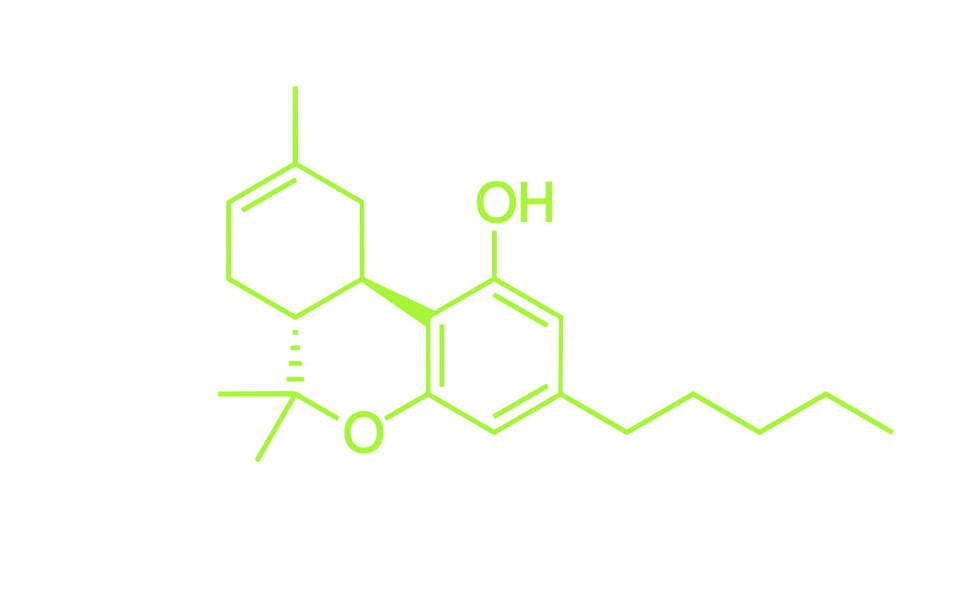
Delta-8 THC is a psychoactive cannabinoid and a less potent isomer of Delta-9 THC. It is typically synthesized from hemp-derived CBD and offers a milder, less anxious high than traditional THC.
Delta-8-tetrahydrocannabinol (Delta-8 THC) is a psychoactive substance found in the cannabis plant, similar to Delta-9 THC (the main psychoactive compound in marijuana) but typically offering a milder experience
Here's a breakdown of key facts about Delta-8 THC:
1. Natural occurrence
Delta-8 THC is naturally present in cannabis sativa plants, though in very low concentrations compared to Delta-9 THC or cannabidiol (CBD).
2. Production
Due to its low natural abundance, commercially available Delta-8 THC is usually manufactured from hemp-derived CBD through a chemical process called isomerization. This involves altering the molecular structure of CBD to create Delta-8 THC.
3. Effects
Delta-8 THC produces psychoactive effects, often described as a milder high than Delta-9 THC. Users report feelings of relaxation and mild euphoria, potentially with less anxiety or paranoia sometimes associated with Delta-9 THC.
4. Potential uses and benefits
While research is limited, Delta-8 THC may offer benefits like pain reduction, sleep support, increased relaxation, and improved appetite. However, the U.S. Food and Drug Administration (FDA) has not evaluated or approved Delta-8 THC products for safe use or for any therapeutic or medical uses.
5. Legality
The legal status of Delta-8 THC is complex and varies by location, often depending on whether it's derived from hemp or marijuana. Federal law has made hemp-derived Delta-8 THC legal as long as it contains less than 0.3% Delta-9 THC. However, some states have their own laws restricting or regulating Delta-8 THC.
6. Safety concerns
Manufacturing Delta-8 THC involves chemical processes that can raise concerns about safety and product quality. The FDA has expressed concerns about the lack of regulation, potential for harmful chemicals and contaminants in products, and misleading marketing that may appeal to children.
7. Importance of consumer awareness
Consumers should be aware that Delta-8 THC products have not been evaluated or approved by the FDA for safe use in any context. It is important to exercise caution, understand local regulations, and consider consulting with a healthcare professional before using Delta-8 THC products.
What is Delta8?
Tetrahydrocannabinol
Delta-8 THC is a psychoactive cannabinoid and a less potent isomer of Delta-9 THC. It is typically synthesized from hemp-derived CBD and offers a milder, less anxious high than traditional THC.
Delta-8-tetrahydrocannabinol (Delta-8 THC) is a psychoactive substance found in the cannabis plant, similar to Delta-9 THC (the main psychoactive compound in marijuana) but typically offering a milder experience
Here's a breakdown of key facts about Delta-8 THC:
1. Natural occurrence
Delta-8 THC is naturally present in cannabis sativa plants, though in very low concentrations compared to Delta-9 THC or cannabidiol (CBD).
2. Production
Due to its low natural abundance, commercially available Delta-8 THC is usually manufactured from hemp-derived CBD through a chemical process called isomerization. This involves altering the molecular structure of CBD to create Delta-8 THC.
3. Effects
Delta-8 THC produces psychoactive effects, often described as a milder high than Delta-9 THC. Users report feelings of relaxation and mild euphoria, potentially with less anxiety or paranoia sometimes associated with Delta-9 THC.
4. Potential uses and benefits
While research is limited, Delta-8 THC may offer benefits like pain reduction, sleep support, increased relaxation, and improved appetite. However, the U.S. Food and Drug Administration (FDA) has not evaluated or approved Delta-8 THC products for safe use or for any therapeutic or medical uses.
5. Legality
The legal status of Delta-8 THC is complex and varies by location, often depending on whether it's derived from hemp or marijuana. Federal law has made hemp-derived Delta-8 THC legal as long as it contains less than 0.3% Delta-9 THC. However, some states have their own laws restricting or regulating Delta-8 THC.
6. Safety concerns
Manufacturing Delta-8 THC involves chemical processes that can raise concerns about safety and product quality. The FDA has expressed concerns about the lack of regulation, potential for harmful chemicals and contaminants in products, and misleading marketing that may appeal to children.
7. Importance of consumer awareness
Consumers should be aware that Delta-8 THC products have not been evaluated or approved by the FDA for safe use in any context. It is important to exercise caution, understand local regulations, and consider consulting with a healthcare professional before using Delta-8 THC products.
Delta-8 THC is a psychoactive cannabinoid and a less potent isomer of Delta-9 THC. It is typically synthesized from hemp-derived CBD and offers a milder, less anxious high than traditional THC.
Tetrahydrocannabinol
Delta-8-tetrahydrocannabinol (Delta-8 THC) is a psychoactive substance found in the cannabis plant, similar to Delta-9 THC (the main psychoactive compound in marijuana) but typically offering a milder experience
Here's a breakdown of key facts about Delta-8 THC:
1. Natural occurrence
Delta-8 THC is naturally present in cannabis sativa plants, though in very low concentrations compared to Delta-9 THC or cannabidiol (CBD).
2. Production
Due to its low natural abundance, commercially available Delta-8 THC is usually manufactured from hemp-derived CBD through a chemical process called isomerization. This involves altering the molecular structure of CBD to create Delta-8 THC.
3. Effects
Delta-8 THC produces psychoactive effects, often described as a milder high than Delta-9 THC. Users report feelings of relaxation and mild euphoria, potentially with less anxiety or paranoia sometimes associated with Delta-9 THC.
4. Potential uses and benefits
While research is limited, Delta-8 THC may offer benefits like pain reduction, sleep support, increased relaxation, and improved appetite. However, the U.S. Food and Drug Administration (FDA) has not evaluated or approved Delta-8 THC products for safe use or for any therapeutic or medical uses.
5. Legality
The legal status of Delta-8 THC is complex and varies by location, often depending on whether it's derived from hemp or marijuana. Federal law has made hemp-derived Delta-8 THC legal as long as it contains less than 0.3% Delta-9 THC. However, some states have their own laws restricting or regulating Delta-8 THC.
6. Safety concerns
Manufacturing Delta-8 THC involves chemical processes that can raise concerns about safety and product quality. The FDA has expressed concerns about the lack of regulation, potential for harmful chemicals and contaminants in products, and misleading marketing that may appeal to children.
7. Importance of consumer awareness
Consumers should be aware that Delta-8 THC products have not been evaluated or approved by the FDA for safe use in any context. It is important to exercise caution, understand local regulations, and consider consulting with a healthcare professional before using Delta-8 THC products.
Tetrahydrocannabinol